Stay ahead of the curve with proven strategies that scale, adapt to AI search, and drive measurable enterprise growth
The enterprise SEO landscape has fundamentally transformed. What worked for small businesses won’t scale to enterprise complexity, and what worked last year may not survive Google’s AI-powered evolution. As we navigate 2025, enterprise SEO demands a sophisticated, multi-layered approach that balances massive scale with precision targeting.
This comprehensive guide reveals the exact strategies enterprise organizations need to dominate search results, leverage AI-powered search features, and build sustainable organic growth at scale.
What Makes Enterprise SEO Different in 2025?
Enterprise SEO operates in a completely different universe from traditional SEO. The challenges are exponentially more complex, the stakes are higher, and the opportunities are massive. Here’s what sets enterprise SEO apart:
Scale and Complexity: Enterprise websites typically manage thousands to millions of pages across multiple domains, subdomains, and international markets. Every optimization decision must be scalable and maintainable across this vast digital ecosystem.
Organizational Complexity: Enterprise SEO requires coordination across multiple departments – marketing, IT, product development, legal, and executive teams. Success depends on building systems that enable seamless collaboration while maintaining brand consistency.
Resource Requirements: Unlike smaller operations, enterprise SEO has access to significant budgets but faces equally significant expectations. Every dollar spent must be justified with measurable business impact.
Technical Infrastructure: Enterprise websites deal with complex technical architectures, multiple content management systems, e-commerce platforms, and legacy systems that must all work harmoniously for SEO success.
The 5 Pillars of Modern Enterprise SEO Strategy
1. AI-First Content Strategy and Optimization
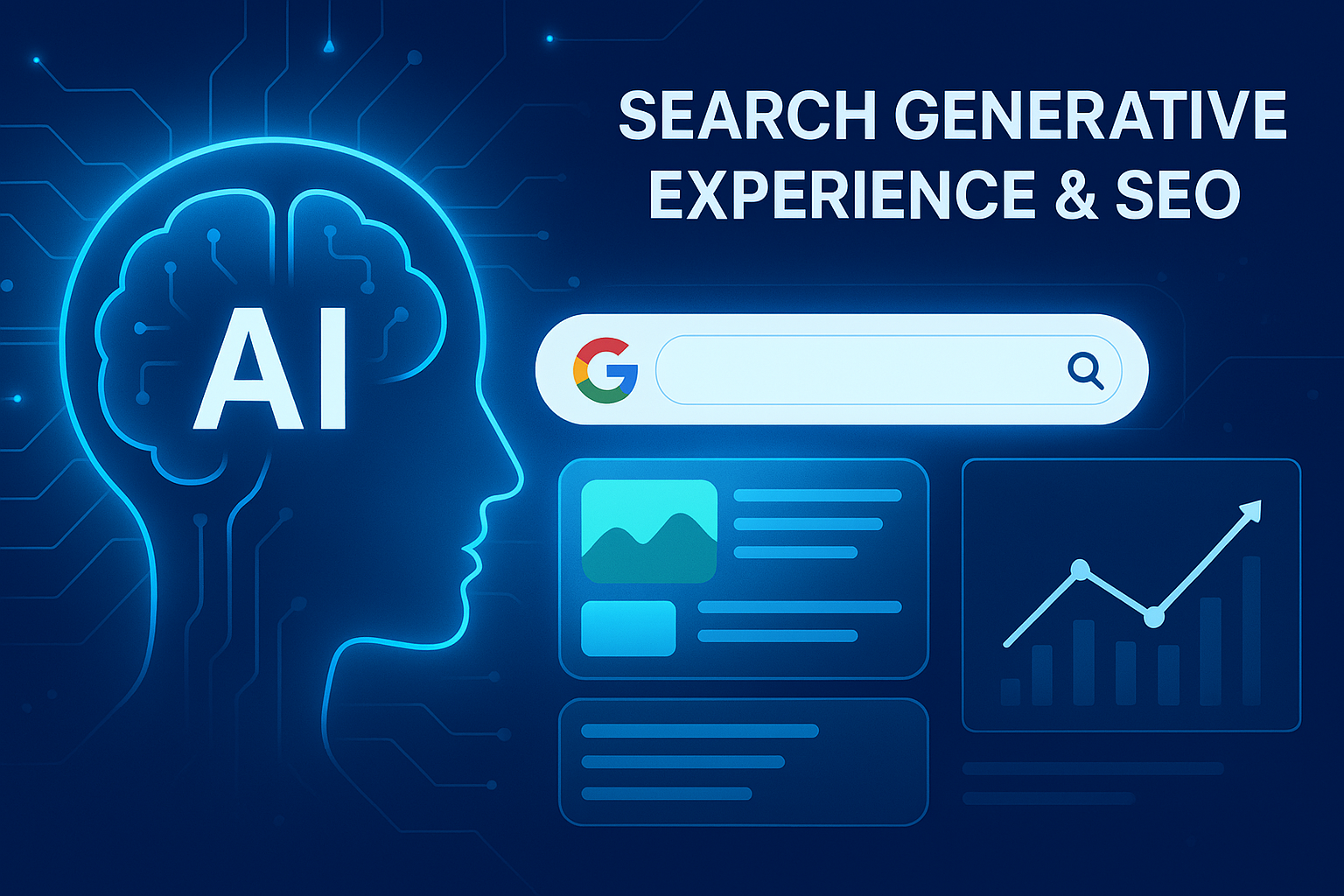
The integration of artificial intelligence into search engines has revolutionized how content gets discovered, evaluated, and ranked. Google’s AI Overviews now appear in approximately 15% of all searches, fundamentally changing how users interact with search results.
Optimizing for AI Overviews: To capture visibility in AI-generated summaries, enterprise content must be structured for machine understanding. This means implementing comprehensive schema markup, creating content that directly answers complex queries, and ensuring factual accuracy that AI systems can trust.
Content at Enterprise Scale: Leading enterprises publish multiple pieces of content daily across various channels. Tools like advanced AI writing platforms can accelerate content production while maintaining quality, but human oversight remains crucial for brand voice and strategic alignment.
Multimodal Content Optimization: Modern search is no longer text-only. Enterprise SEO strategies must incorporate visual search optimization, voice search compatibility, and video content optimization. This includes optimizing images with descriptive alt text, creating video transcripts, and structuring content for voice queries.
2. Technical SEO Excellence at Scale
Technical SEO forms the foundation of enterprise search success. When managing massive websites, technical issues can cascade and impact thousands of pages simultaneously.
Site Architecture and Crawlability: Enterprise websites require sophisticated site architecture that guides both users and search engines efficiently. This includes implementing logical URL structures, optimizing internal linking, and ensuring search engines can crawl and index priority pages effectively.
Performance Optimization: Page speed directly impacts both user experience and search rankings. Enterprise sites must leverage content delivery networks (CDNs), implement advanced caching strategies, and optimize for Core Web Vitals across all pages and user experiences.
Mobile-First Excellence: With mobile-first indexing fully implemented, enterprise sites must deliver exceptional mobile experiences. This goes beyond responsive design to include mobile-specific user journeys, accelerated mobile pages (AMP) where appropriate, and mobile-optimized conversion funnels.
Structured Data Implementation: Schema markup becomes exponentially more important at enterprise scale. Comprehensive structured data helps search engines understand product catalogs, organizational hierarchies, locations, and content relationships across massive websites.
3. Advanced Keyword Strategy and Targeting
Enterprise keyword strategies must balance volume with precision, managing thousands of target keywords while maintaining focus on business-critical terms.
Scalable Keyword Research: Enterprise keyword research goes beyond traditional volume and competition metrics. It requires understanding buyer journey complexity, international market variations, and seasonal fluctuations across multiple product lines or services.
Topic Clusters and Content Hubs: Rather than targeting individual keywords, successful enterprise SEO creates comprehensive topic clusters. These interconnected content ecosystems establish topical authority and capture traffic across related search queries.
Competitive Intelligence: At enterprise scale, competitive analysis becomes strategic intelligence. This includes monitoring competitor content strategies, identifying market gaps, and understanding industry search trends that inform long-term SEO planning.
4. Enterprise Link Building and Authority Development
Building domain authority at enterprise scale requires sophisticated link building strategies that go far beyond traditional outreach.
Relationship-Based Link Building: Enterprise organizations have unique advantages in link building through existing partnerships, customer relationships, and industry connections. Leveraging these relationships creates high-quality, contextually relevant backlinks.
Content-Driven Link Acquisition: Creating industry-leading research, comprehensive guides, and thought leadership content naturally attracts high-quality backlinks. This approach scales better than individual outreach and builds lasting authority.
International Link Building: For global enterprises, link building must consider local market preferences, cultural contexts, and regional search engine requirements beyond Google.
5. Data-Driven Optimization and Automation
Enterprise SEO success requires sophisticated analytics, reporting, and automation systems that can process vast amounts of data and translate insights into actionable optimizations.
Advanced Analytics Implementation: Beyond basic Google Analytics, enterprise SEO requires comprehensive tracking that connects search performance to business outcomes. This includes tracking micro-conversions, customer lifetime value attribution, and multi-touch attribution modeling.
SEO Automation: Automation becomes essential at enterprise scale. This includes automated technical audits, content optimization recommendations, and performance monitoring across thousands of pages.
Predictive SEO Analytics: Advanced enterprises use machine learning models to predict search trends, identify optimization opportunities, and forecast the impact of SEO investments.
Navigating AI Search and Zero-Click Optimization
The rise of AI-powered search features presents both challenges and opportunities for enterprise SEO.
Understanding Zero-Click Searches: Approximately 50% of searches now end without a click to a website. For enterprises, this means optimizing for brand visibility within search results themselves, not just click-through traffic.
Featured Snippet Optimization: Securing featured snippets requires creating content that directly answers specific questions with clear, concise information. This is particularly important for enterprise FAQ pages, product information, and how-to content.
Knowledge Panel Management: Enterprises must actively manage their knowledge panels across Google Search, ensuring accurate information about locations, leadership, products, and services.
International and Multi-Market SEO Strategies
Enterprise organizations typically operate across multiple markets, each with unique search behaviors and requirements.
Technical Implementation: International SEO requires careful implementation of hreflang tags, proper URL structure for different markets, and ensuring search engines understand the relationship between different language and regional versions.
Localized Content Strategy: Successful international SEO goes beyond translation to create culturally relevant content that resonates with local markets while maintaining global brand consistency.
Market-Specific Optimization: Different markets may prioritize different search engines, require different content approaches, and have varying technical requirements that must be incorporated into the overall SEO strategy.
Building SEO Success Through Organizational Alignment
Enterprise SEO success requires organizational commitment and cross-functional collaboration.
Stakeholder Education: Educating leadership, product teams, and other departments about SEO’s business impact ensures ongoing support and resource allocation for SEO initiatives.
Process Documentation: At enterprise scale, documented processes ensure consistency across teams and enable effective onboarding of new team members or agencies.
Performance Measurement: Clear metrics and regular reporting demonstrate SEO’s contribution to business objectives and justify continued investment in SEO initiatives.
The Technology Stack for Enterprise SEO
Modern enterprise SEO requires sophisticated tooling that can handle massive datasets and provide actionable insights.
Enterprise SEO Platforms: Tools like BrightEdge, seoClarity, and Conductor provide enterprise-level functionality for keyword tracking, content optimization, and performance monitoring across large websites.
Technical SEO Tools: Comprehensive technical auditing requires tools like Botify, Screaming Frog, or DeepCrawl that can analyze massive websites and identify technical issues at scale.
Content Optimization: Platforms like MarketMuse, Clearscope, or Surfer SEO help optimize content at scale while maintaining quality and relevance.
Automation and Integration: Enterprise SEO increasingly relies on automation tools and API integrations that connect SEO data with other business systems.
Future-Proofing Your Enterprise SEO Strategy
As search continues evolving, enterprise SEO strategies must remain adaptable and forward-thinking.
Emerging Technologies: Staying ahead means monitoring developments in voice search, visual search, and augmented reality search experiences that may impact how customers discover products and services.
Privacy and Data Considerations: Changes in data privacy regulations and cookie policies affect how SEO performance is measured and optimized.
Search Engine Diversification: While Google dominates, enterprises must consider optimization for alternative search engines and emerging AI-powered search platforms.
Measuring Enterprise SEO Success
Enterprise SEO measurement goes far beyond rankings and traffic to encompass business impact and ROI.
Business Metrics: Successful enterprise SEO connects search performance to revenue, customer acquisition costs, and lifetime value metrics that matter to executive leadership.
Leading Indicators: Monitoring technical health, content performance, and competitive positioning provides early indicators of future performance changes.
Reporting and Communication: Regular, clear reporting that translates SEO metrics into business language ensures continued organizational support and resource allocation.
Taking Action: Your Enterprise SEO Roadmap
Implementing enterprise SEO successfully requires a structured approach:
- Audit and Baseline: Comprehensive audit of current performance, technical health, and competitive positioning
- Strategy Development: Create detailed strategies aligned with business objectives and resource constraints
- Implementation Planning: Develop phased implementation plans that account for organizational complexity and resource availability
- Execution and Monitoring: Implement optimizations while continuously monitoring performance and adjusting strategies
- Optimization and Scaling: Refine successful tactics and scale effective strategies across the entire digital ecosystem
The future of enterprise SEO belongs to organizations that can successfully balance massive scale with strategic precision, leverage AI and automation while maintaining human insight, and adapt quickly to the ever-evolving search landscape. By implementing these strategies, enterprise organizations can build sustainable competitive advantages that drive meaningful business growth through organic search.
Success in enterprise SEO requires more than technical expertise—it demands strategic thinking, organizational alignment, and the ability to execute complex initiatives at scale. Organizations that master these elements will not just survive the evolution of search; they will thrive in the age of AI-powered discovery.